
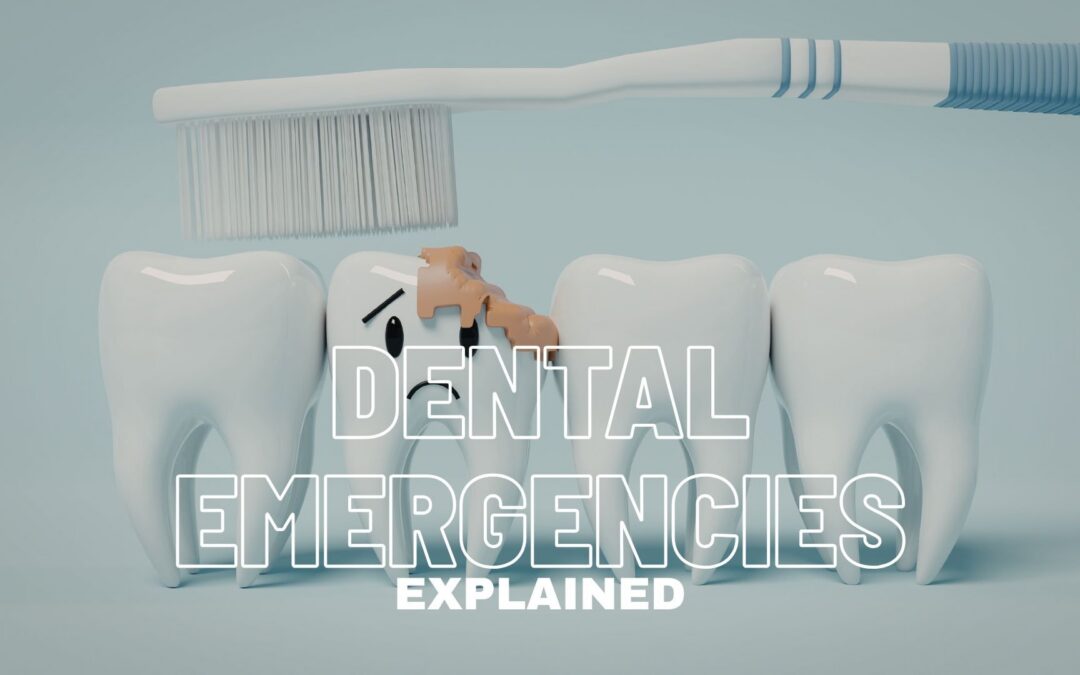
Dental issues can happen when you least expect them. One moment everything feels normal, and the next you are dealing with sudden pain, swelling, or trauma to your mouth. Many patients ask what is considered a dental emergency and how to know whether they should call a dentist right away or wait for regular business hours.
At Parkway Dental, Dr. Song helps patients in Arlington Heights understand the difference between routine dental problems and situations that require immediate care. Knowing what to look for can protect your oral health, prevent infection, and even save a tooth.
Understanding What Qualifies As A Dental Emergency
Not all dental problems require emergency treatment. A mild toothache or a small chipped tooth without pain may be able to wait for a scheduled appointment. However, most dental emergencies involve severe pain, swelling, bleeding, or trauma that could lead to permanent damage if left untreated.
According to the American Dental Association, a dental emergency is typically any condition involving the teeth, gums, or soft tissues that needs prompt treatment to alleviate pain, stop bleeding, or prevent infection.
If you are unsure whether your situation qualifies, it is always safest to contact a dentist immediately. Our office can help you determine the next steps and schedule emergency dental care as soon as possible.
Severe Tooth Pain And Dental Abscess
One of the most common dental emergencies is severe toothache. Dental pain that is intense, constant, or worsening is often a sign of infection deep inside the tooth root.
A dental abscess is a pocket of infection that can form near the tooth or in the gum tissue. Symptoms may include:
- Severe pain that does not go away
- Swelling in the gums or face
- Sensitivity to pressure
- Fever
- A bad taste in the mouth
An abscess can lead to serious complications if left untreated. Infection can spread to surrounding tissue, blood vessels, and even other areas of the body. Immediate treatment is important to alleviate severe pain and prevent infection from spreading.
If you experience swelling or severe pain, call our office right away for emergency dental care.
Knocked Out Or Loose Teeth
A knocked out tooth is always considered a dental emergency. Acting quickly can sometimes prevent tooth loss.
If one or more teeth are knocked out due to trauma or playing sports:
- Handle the tooth carefully and avoid touching the tooth root.
- Rinse it gently with warm water if dirty.
- Try to place it back into the tooth socket if possible.
- If not, store it in milk or saliva.
- Contact a dentist immediately and come in as soon as possible.
Prompt treatment greatly increases the chances of saving the tooth.
Even if a tooth is not completely knocked out but feels loose, you should still seek emergency dental care.
Cracked, Broken, or Chipped Teeth
Cracked teeth and broken teeth are also common dental emergencies, especially if there is pain or visible damage.
A chipped tooth without pain may not require immediate care, but cracked teeth that expose the inner structure of the tooth can lead to infection and permanent damage. Trauma to the mouth can also affect the facial bones or surrounding soft tissues.
Rinse your mouth with warm water and apply a cold compress to reduce swelling. In some cases, treatment such as a crown or even a tooth extraction may be necessary to protect your oral health.
Uncontrolled Bleeding Or Trauma
Bleeding that does not stop is another sign of a dental emergency. If there is uncontrolled bleeding in the mouth:
- Apply firm pressure to the bleeding site using clean gauze
- Apply pressure steadily for several minutes
- Keep your head elevated
If bleeding stops, contact our office for further evaluation. If bleeding does not stop after applying firm pressure or if there are other injuries involving the patient’s airway, facial bones, or severe trauma, go to the nearest hospital emergency room or emergency room immediately.
While most dental emergencies are best treated by a dentist, a life threatening injury should always be handled at a hospital emergency room or urgent care center first.
Soft Tissue Injuries
Injuries to the gums, cheeks, lips, or other soft tissues inside the mouth can also require emergency care. Cuts to gum tissue or other tissue areas may bleed heavily because of the many blood vessels in the mouth.
Rinse gently with warm water, apply pressure to control bleeding, and use a cold compress to reduce swelling. If bleeding continues or if there is significant trauma, seek immediate care.
Broken Dental Work And Orthodontic Issues
Sometimes a dental emergency does not involve natural teeth but dental work. A broken wire from braces can poke into the gums or cheeks, causing pain and irritation. Broken crowns or fillings can expose sensitive areas of the tooth.
If you have a broken wire or damaged restoration causing discomfort, contact our office during normal business hours or regular business hours for guidance. In many cases, we can provide emergency dental treatment to alleviate pain and protect the tooth from further damage.
When to Visit the Emergency Room
Patients often ask whether they should go to the emergency room for dental pain. In general, most dental emergencies are better treated in a dentist’s office because we have the tools and training specific to dental care.
However, you should go to a hospital emergency room or urgent care center if you experience:
- Uncontrolled bleeding
- Difficulty breathing
- Severe swelling affecting the patient’s airway
- Serious trauma involving other injuries
For dental pain, infection, abscess, broken teeth, or a knocked out tooth, contacting a dentist immediately is usually the best course of action.
Why Prompt Treatment Matters
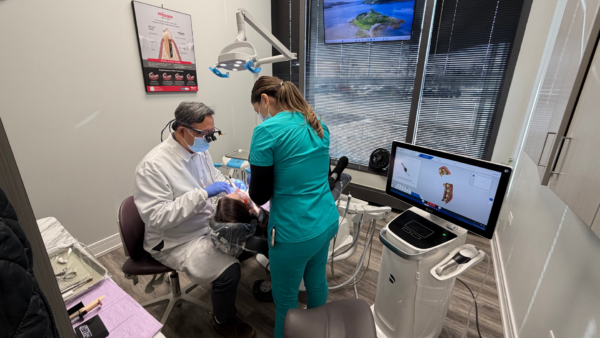
Delaying treatment can lead to more serious dental problems. A minor crack can turn into a severe toothache. An untreated abscess can spread infection. What starts as manageable pain can quickly become severe pain requiring more complex treatment.
Prompt treatment helps:
- Alleviate pain
- Prevent infection
- Protect surrounding gums and tissue
- Avoid permanent damage
- Reduce the risk of tooth loss
Dr. Song emphasizes that protecting your oral health means taking symptoms seriously and seeking emergency dental care when needed.
Not All Dental Problems Are Emergencies
While many situations require immediate care, not all dental problems are urgent. Mild sensitivity, a small chipped tooth without pain, or food stuck between teeth that can be removed with dental floss may not require emergency treatment.
If you are unsure, it is always safe to consult with a dentist. We can help determine whether your condition requires immediate attention or can wait for a scheduled appointment.
Call Parkway Dental For Emergency Dental Care
If you are experiencing severe tooth pain, swelling, trauma, bleeding, or suspect a dental abscess, do not wait. Most dental emergencies require prompt treatment to alleviate severe pain and protect your long term oral health.
Our team in Arlington Heights will do everything possible to provide emergency dental care as soon as possible and help you feel comfortable and protected.
Call our office now at (847)259-5600 to schedule your emergency appointment and get the care you need right away!