
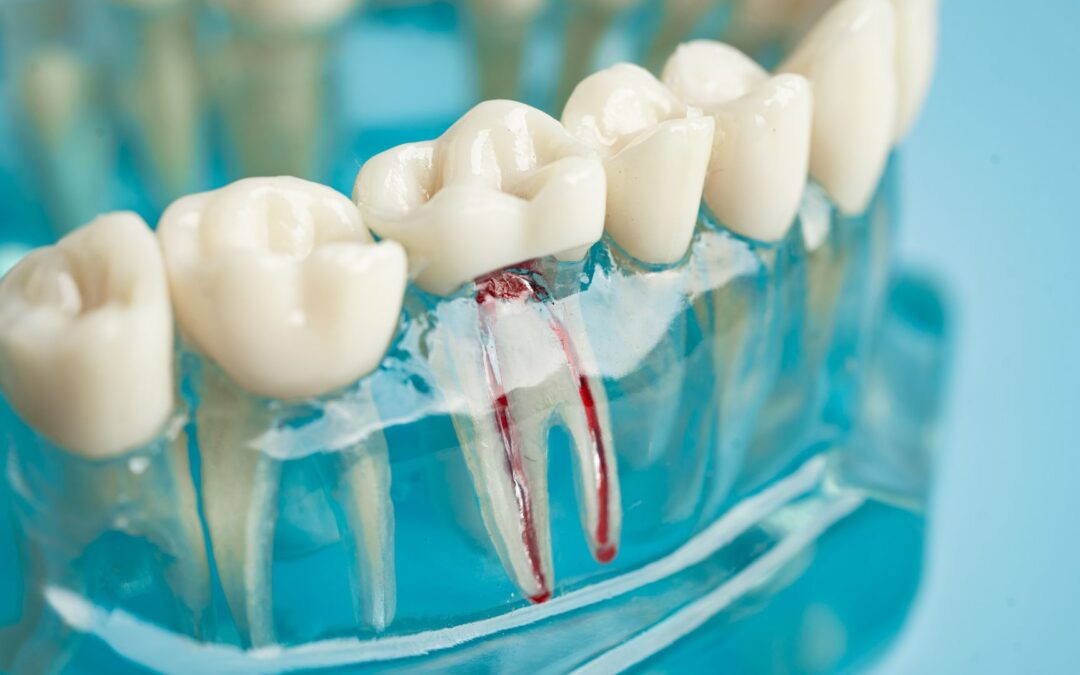
We know that the words “you need a root canal” are not what anyone wants to hear. For many patients, the instinct is to put it off and hope the pain goes away on its own. We understand that reaction, but we also see what happens when an infected tooth goes untreated. The consequences are serious, and they tend to get worse the longer you wait.
Here is what you need to know about what happens if you need a root canal and do not get one.
Why A Root Canal Becomes Necessary
A root canal becomes necessary when the dental pulp inside a tooth becomes infected or severely damaged. The tooth’s pulp contains nerves, blood vessels, and connective tissue that sit deep within the tooth’s roots. When bacteria reach the pulp through deep decay, a crack, or a chip, infection sets in quickly.
Common signs that you may need a root canal include persistent toothache, throbbing pain, prolonged sensitivity to hot or cold temperatures, swelling in the gums or jaw, and darkening of the affected tooth. If you are experiencing any of these symptoms, do not wait. Call our office at (847) 259-5600 so we can evaluate what is happening and get you out of pain.
What Happens When An Infected Tooth Goes Untreated
The Pain Gets Worse
The most immediate consequence is increased pain. An infected tooth does not stabilize on its own. The bacteria continue to multiply inside the dental pulp, and the infection spreads deeper into the tooth’s roots and surrounding tissue.
What starts as persistent pain or sensitivity to cold temperatures often becomes severe pain that makes it difficult to eat, sleep, or focus. Throbbing pain that radiates into the jaw is a signal that the infection has progressed. Waiting for it to pass on its own rarely works, and most patients tell us they wish they had called sooner.
The Infection Spreads Beyond The Tooth
This is where untreated dental infections become genuinely dangerous. When the infected pulp is left untreated, bacteria do not stay contained inside the tooth. The infection spreads into the soft tissue, the gums, and the surrounding bone.
In serious cases, the infection can enter the bloodstream. Once bacteria reach the bloodstream, they can affect the body in ways that go far beyond your mouth. Research has linked untreated dental infections to an increased risk of heart problems and other systemic health concerns. Your oral health and your overall health are more connected than most people realize.
A dental abscess, which is a pocket of infection that forms at the tip of the tooth’s roots, is a common result of a neglected infected tooth. Abscesses cause severe swelling in the jaw and face. They require immediate treatment and can become a true dental emergency if they rupture.
If you are experiencing swelling, fever, or severe pain, treat it as urgent. Our team offers same-day emergency dental care for situations exactly like this. Call us immediately at (847) 259-5600.
Nearby Teeth And Bone Are At Risk
A tooth infection does not respect boundaries. As the infection spreads, it begins to affect the bone surrounding the implant site and the nearby teeth. Bone loss in the jaw weakens the structural support for your other teeth, putting them at increased risk of damage and loosening.
The bacteria from a damaged tooth can also spread to neighboring teeth, leading to decay and infection in teeth that were previously healthy. What started as one painful tooth can become more serious problems involving multiple teeth if left untreated long enough.
You Could Lose The Tooth Entirely
The worst case scenario of skipping a needed root canal is even tooth loss. When an infected tooth is left untreated long enough, the damage to the pulp, roots, and surrounding bone becomes too severe to save the natural tooth. At that point, tooth extraction becomes the only option.
Losing a natural tooth creates its own set of challenges. The remaining teeth begin to shift toward the gap. Bone loss accelerates at the extraction site. You then face the cost and process of replacing the missing tooth, whether through dental implants, a bridge, or another option.
A root canal, as uncomfortable as it sounds, is always preferable to a tooth extraction. Saving the damaged tooth preserves your natural smile and avoids the additional treatments that follow tooth loss.
What Root Canal Treatment Actually Involves
Root canal therapy has a reputation that is much worse than the reality. Most of our patients tell us the dental procedure was far more comfortable than they expected.
We begin by numbing the area completely with local anesthesia. You will not feel pain during the procedure. Once the tooth is numb, we access the inside of the tooth, remove the infected pulp and damaged tissue, and clean the inside of the tooth’s roots thoroughly. We then seal the tooth and, in most cases, place a dental crown on top to protect and restore it.
The goal is to eliminate the infection inside the tooth while preserving the natural tooth structure. Most patients are surprised at how manageable the recovery is. Mild soreness for a day or two is normal, and over-the-counter pain relievers are typically all that is needed.
You can read more about our root canal therapy and what to expect when you come in.
Do Not Let Cost Stop You From Getting The Care You Need
We know that dental care is a real financial consideration for many patients. If cost or dental insurance coverage is part of what is keeping you from getting the root canal treatment you need, talk to us. We offer several financing options, including CareCredit and Cherry patient financing, to help make treatment accessible. Visit our financing and insurance page to learn more.
Treating an infected tooth now is always more affordable than dealing with the consequences of letting it go.
Call Us Today, We Are Here To Help
If you are experiencing tooth pain, throbbing pain, swelling, or any of the common signs of an infected tooth, please do not wait. Our team is here to help you get out of pain and protect your oral health before the situation becomes more serious.
We offer same-day emergency dental care for patients in pain. Call us now at (847) 259-5600 and we will get you in as quickly as possible. Your tooth and your health are worth taking care of today.
