

If you have a damaged tooth, your dentist has probably mentioned a crown. Maybe you have also heard the word cap and wondered if they are different things. This is one of the most common questions patients ask, and the answer is simpler than you might think.
Crown Vs. Cap: Are They The Same Thing?
Yes, a crown and a cap are the same restoration. Dentists today use the term dental crown, but cap is an older, informal name for the same procedure. Both terms describe a tooth-shaped cover that fits over a prepared tooth to restore its shape, size, and function.
You can use either word when you talk to your Arlington Heights dentist. The team at Parkway Dental will know exactly what you mean.
What Does A Dental Crown Actually Do?
A dental crown covers and protects a tooth that can no longer function on its own. Crowns restore damaged teeth caused by tooth decay, fracture, or a large filling that has broken down. They also protect a tooth after root canal treatment, since root canal therapy can leave a tooth more brittle.
A crown restores the tooth’s shape and gives it the strength to handle normal chewing. With proper care, a new dental crown can last 10 to 15 years or longer.
When Does A Tooth Need A Crown?
Your dentist may recommend a crown in several situations. Here are the most common ones patients encounter:
- A tooth has a fracture or is chipped and cannot hold a filling
- Tooth decay has destroyed too much tooth structure for a large filling to work
- A tooth has completed root canal therapy and needs protection from further damage
- A worn tooth needs to restore its natural appearance and function
- A dental implant needs a crown placed on top to complete the restoration
- A dental bridge requires crowns on the teeth on either side of the gap
In such cases, a crown is often the best way to preserve the tooth and prevent further decay or tooth loss. Check out our dental services page to learn about all the treatments available.
What Materials Are Used For Crowns?
Crowns come in several materials, and your dentist will help you determine the best option. Here is a quick breakdown:
All porcelain and ceramic crowns match the natural appearance of your surrounding teeth. They are a popular choice for front teeth where appearance matters most. Porcelain-fused-to-metal crowns offer additional support and work well for back teeth that handle more chewing pressure. Metal crowns are extremely durable but less common today due to their appearance.
For most patients in Arlington Heights IL, all porcelain or ceramic options give the best balance of strength and natural appearance. Your dentist will look at the location of the tooth, your bite, and your oral health before making a recommendation.
What Happens During The Crown Procedure?
The crown procedure typically takes 2 appointments. Here is what to expect during each visit.
During the first appointment, the dentist numbs the area with a local anesthetic so you stay comfortable and numb throughout. The tooth gets prepared by reshaping it so the crown fits properly over the prepared tooth. The dentist then takes impressions of your mouth. Those impressions go to a dental lab, where technicians craft your permanent crown.
You leave the office with a temporary crown to protect the tooth while you wait. The dental lab usually needs 1 to 2 weeks to complete your new crown. During your second appointment, the dentist removes the temporary crown and checks the fit of the new crown. Once everything looks right, the dentist bonds it in place with dental cement.
The full process is straightforward. Most patients find the procedure much easier than they expected.
Do Crowns Work With Implants And Bridges?
Yes, crowns play an important role in both of these restorations. A dental implant is a titanium post placed in the jawbone to replace missing teeth. Once the implant heals, a crown is placed on top to complete the replacement tooth. This gives the implant the function and appearance of a natural tooth.
Learn more about dental implants in Arlington Heights and whether they might be the right solution for your missing teeth.
A dental bridge uses crowns on the teeth on either side of a gap to anchor a false tooth in the middle. The crowns on those neighboring teeth provide the support that holds the bridge in place. This is a reliable way to replace a missing tooth without an implant.
How Do You Care For A Crown?
Crowns do not require special treatment beyond good daily habits. Brush twice a day and floss around the crown to keep the gums healthy and prevent further decay at the gum line. Avoid chewing on ice or very hard foods that could fracture the porcelain. See your dentist regularly so the crown and surrounding teeth stay in good shape.
With proper care, your crown should protect the tooth for many years. If your crown ever feels loose or causes pain, contact your dentist right away. Waiting can lead to further damage.
Why Do Patients In Arlington Heights Choose Parkway Dental?
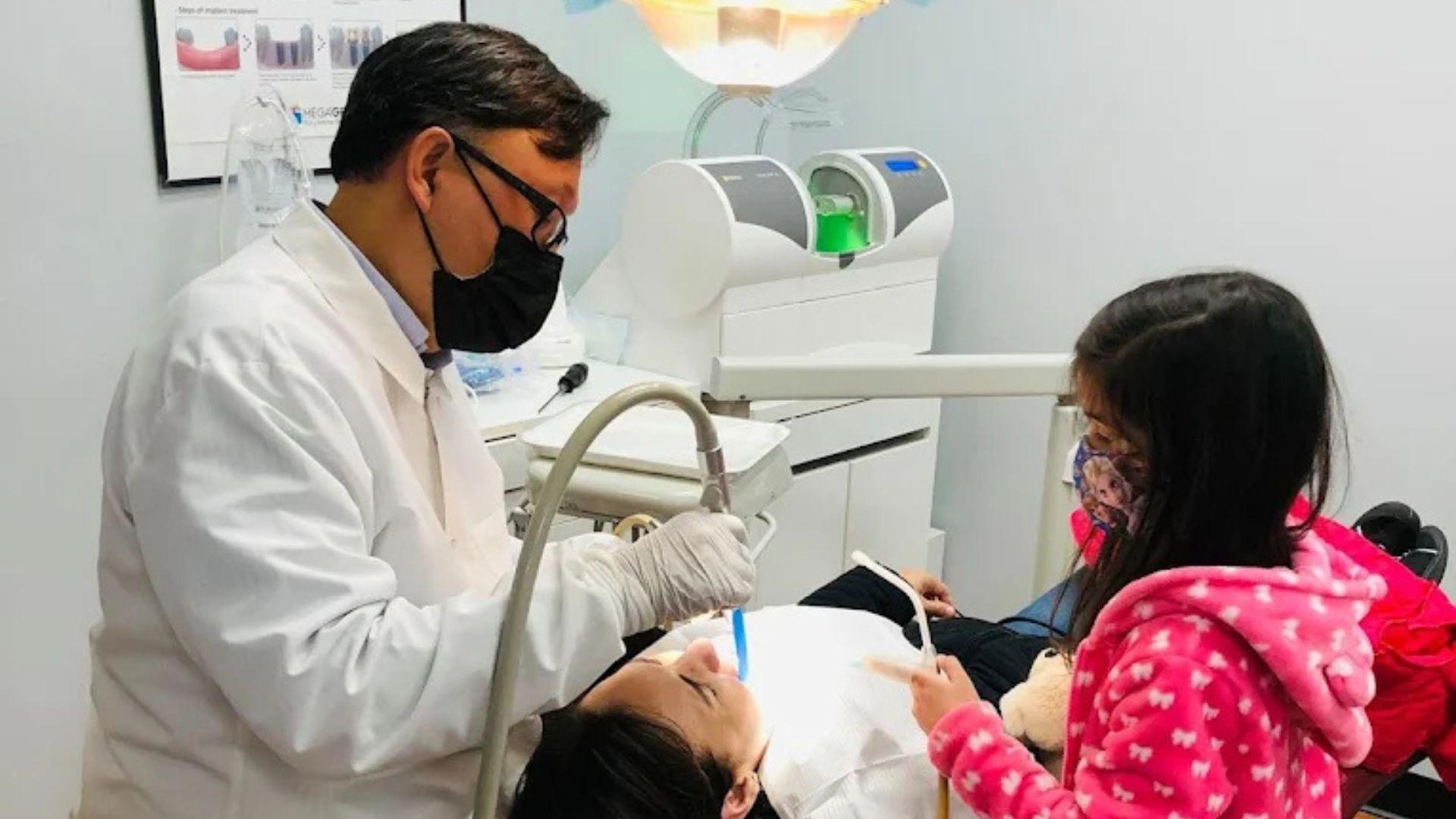
Patients throughout Arlington Heights trust Parkway Dental to restore their smiles with quality, comfortable care. The team takes time to explain your options and help you make the right choice for your oral health. Whether you need a crown after root canal treatment, a replacement for a large filling, or a crown to complete a dental implant, the office is ready to help.
Visit the Parkway Dental about page to learn more about the practice and what sets the team apart. You can also browse our FAQ page if you have additional questions before your appointment.
Ready To Restore Your Smile?
A damaged or decayed tooth does not have to stay that way. A dental crown can protect your tooth, restore its function, and give you back a healthy, complete smile. The sooner you schedule, the sooner you can stop worrying about further damage or tooth loss.
Contact Parkway Dental today or call(847) 259-5600 to schedule your appointment. The team is ready to help you get the care you need in Arlington Heights, IL.
