
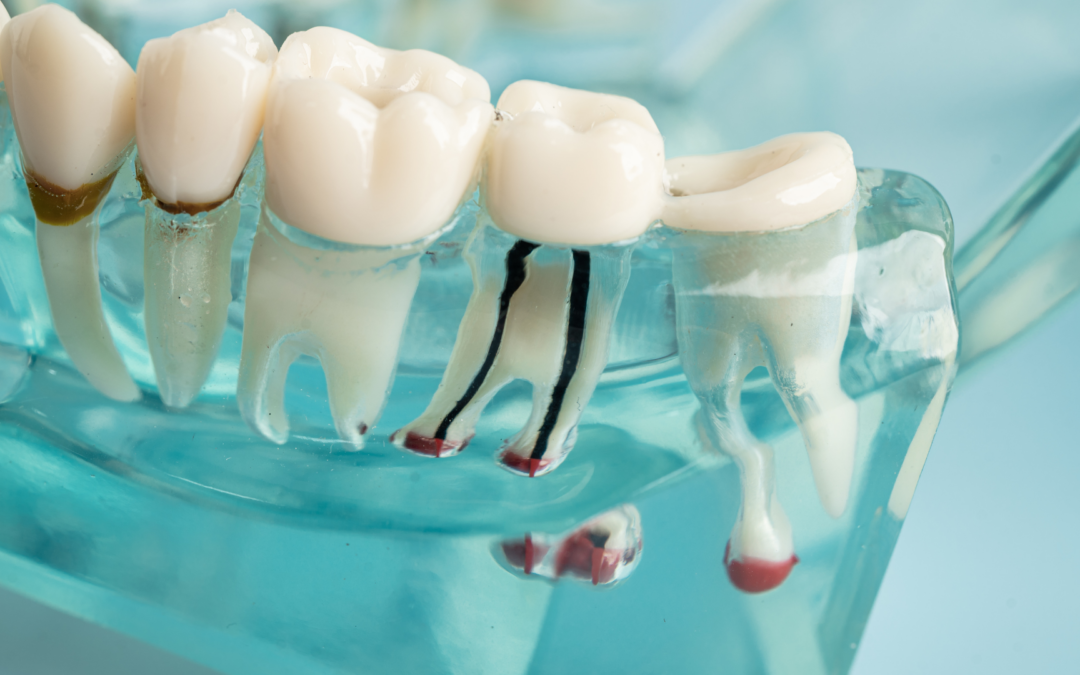
Root canal treatment is one of the most effective ways to save a natural tooth, relieve pain, and protect your long-term oral health, but knowing when you need a root canal can be confusing. Many patients ignore early warning signs because they assume the discomfort will go away on its own. Unfortunately, when symptoms are left untreated, the infection can worsen, leading to further damage, nerve damage, and even tooth loss.
At Parkway Dental in Rolling Meadows, IL, Dr. Song specializes in advanced root canal therapy. While most general dentists do not perform root canals, our office is uniquely equipped to diagnose and treat infected pulp, severe tooth decay, cracked or injured teeth, and other issues that require a root canal procedure. With digital imaging, modern technology, and Dr. Song’s extensive training, our team provides safe, comfortable care designed to relieve pain and restore your tooth’s structure.
Below, we’ll walk you through the 7 signs you need a root canal and why you shouldn’t ignore them.
1. Persistent Tooth Pain That Doesn’t Go Away
One of the most common signs you may need a root canal is persistent tooth pain. This isn’t the type of discomfort that comes and goes. It’s a deep, throbbing severe toothache that may last an extended period or flare up whenever you chew or apply pressure.
Pain occurs when bacteria and decay reach the tooth pulp, the internal tissue containing nerves, blood vessels, and connective tissue. Once this area becomes infected, the pain will almost always worsen without proper treatment.
If you constantly experience pain when chewing, talking, or touching the affected tooth, this is a telltale sign you should seek treatment immediately.
2. Lingering Sensitivity to Hot and Cold Foods

Temperature sensitivity is normal from time to time, but lingering sensitivity is not.
If your tooth hurts for more than a few seconds after drinking hot or cold foods and beverages, that’s a sign the nerves inside your tooth may be damaged or infected. When an infected pulp becomes irritated, the discomfort can become sharp, intense, and long-lasting.
Prolonged sensitivity is one of the key root canal symptoms, especially when the pain increases with hot and cold foods or air exposure.
3. Tooth Discoloration (Darkening of the Tooth)
A tooth that suddenly turns gray, brown, or dark yellow could indicate a problem deep inside the tooth’s structure. While discoloration can occur from stains, trauma, or aging, internal darkening is usually caused by nerve damage within the pulp.
When the pulp becomes infected or dies, the tooth loses its natural color. This is often a sign you may need a root canal to remove the damaged internal tissue and prevent further complications.
If you notice tooth discoloration, especially after an injury or severe decay, schedule an evaluation right away.
4. Swelling, Facial Swelling, or a Pimple-Like Bump on the Gums
Swelling around the gums, jaw, or even the face can indicate a severe infection. Sometimes patients notice a pimple-like bump on the gums near the affected tooth. This bump may ooze pus, leave an unpleasant taste, or cause bad breath, all signs that bacteria are active inside the tooth.
Swelling means the infection has spread beyond the tooth and into the surrounding tissues. This is a serious condition that should not be ignored. Root canal therapy removes the infection, cleans the inside of the tooth, and stops the spread before it affects other teeth or your overall dental health.
5. Pain When Chewing or Applying Pressure
If you experience pain while chewing or applying pressure to a tooth, you may have a cracked tooth, chipped tooth, or tooth injury that has exposed the pulp to bacteria. Even a small crack can allow bacteria to enter and infect the inner chamber.
Many patients assume a crack is only cosmetic, but even hairline fractures can lead to deep infection. If a tooth hurts every time you bite down, this is a strong sign you may need a root canal to remove the infection and restore normal chewing function.
6. An Unpleasant Taste or Ongoing Bad Breath
A constant unpleasant taste, metallic taste, or unexplained foul odor can indicate an infected tooth. When bacteria accumulate inside the root canal system, they produce toxins that affect your breath and taste.
While mouthwash may mask the issue temporarily, the underlying infection will continue to worsen without professional care. Dr. Song can determine whether the cause is gum disease, tooth decay, or a deeper issue requiring a root canal procedure.
7. Past Trauma, Dental Work, or Tooth Decay That Has Progressed
Sometimes the warning signs aren’t dramatic, they’re simply the result of:
- A past tooth injury
- Large fillings
- Previous dental work
- Severe tooth decay that has reached the pulp
Decay and trauma weaken the tooth’s internal structure, allowing bacteria to enter the pulp chamber. Even if you don’t experience pain yet, digital imaging can reveal hidden issues that may require treatment before further damage occurs.
Early intervention is the best way to avoid root canals in the future and preserve the health of your natural tooth.
How Parkway Dental Can Help
At Parkway Dental, Dr. Song provides expert root canal treatment using advanced tools and techniques designed to:
- Accurately diagnose the problem
- Remove infected pulp
- Clean and disinfect the internal chamber
- Protect the tooth’s structure
- Relieve pain and restore full function
When performing a root canal, the dentist cleans the inner tissue, eliminates bacteria, and seals the tooth to prevent future infection. This allows you to save your natural tooth and avoid more invasive dental procedures later.
Most dentists refer root canal cases elsewhere, but Parkway Dental performs them right here in our office, saving you time, discomfort, and unnecessary appointments.
Think You May Need a Root Canal? Don’t Wait.
If you’re experiencing any of these telltale signs, the best thing you can do is schedule an appointment or call our office right away. Root canal therapy not only relieves pain but also protects your long-term oral health and keeps your natural smile intact.
Contact our office to schedule your exam today. Dr. Song and our team are here to help you feel comfortable, confident, and pain-free again.
