

When patients visit Parkway Dental to discuss tooth replacement options, one of the most common questions we hear is: “Should I choose dental implants or dentures?” Both options can replace missing teeth, but they offer very different benefits, especially when it comes to long-term function, comfort, and oral health.
As specialists in functional implants, including single implants, implant-supported dentures, and full mouth implants, our team is committed to helping patients understand the differences between dental implants vs dentures. This helps our patients make the best decision for their needs. While traditional dentures remain a popular choice, dental implants are widely considered the more permanent solution if you want stability, natural function, and long-lasting results.
Below, we break down how implants and dentures compare—and why many patients choose implants for a healthier, more natural-looking smile.
Understanding the Basics: Dentures vs Dental Implants
Dentures
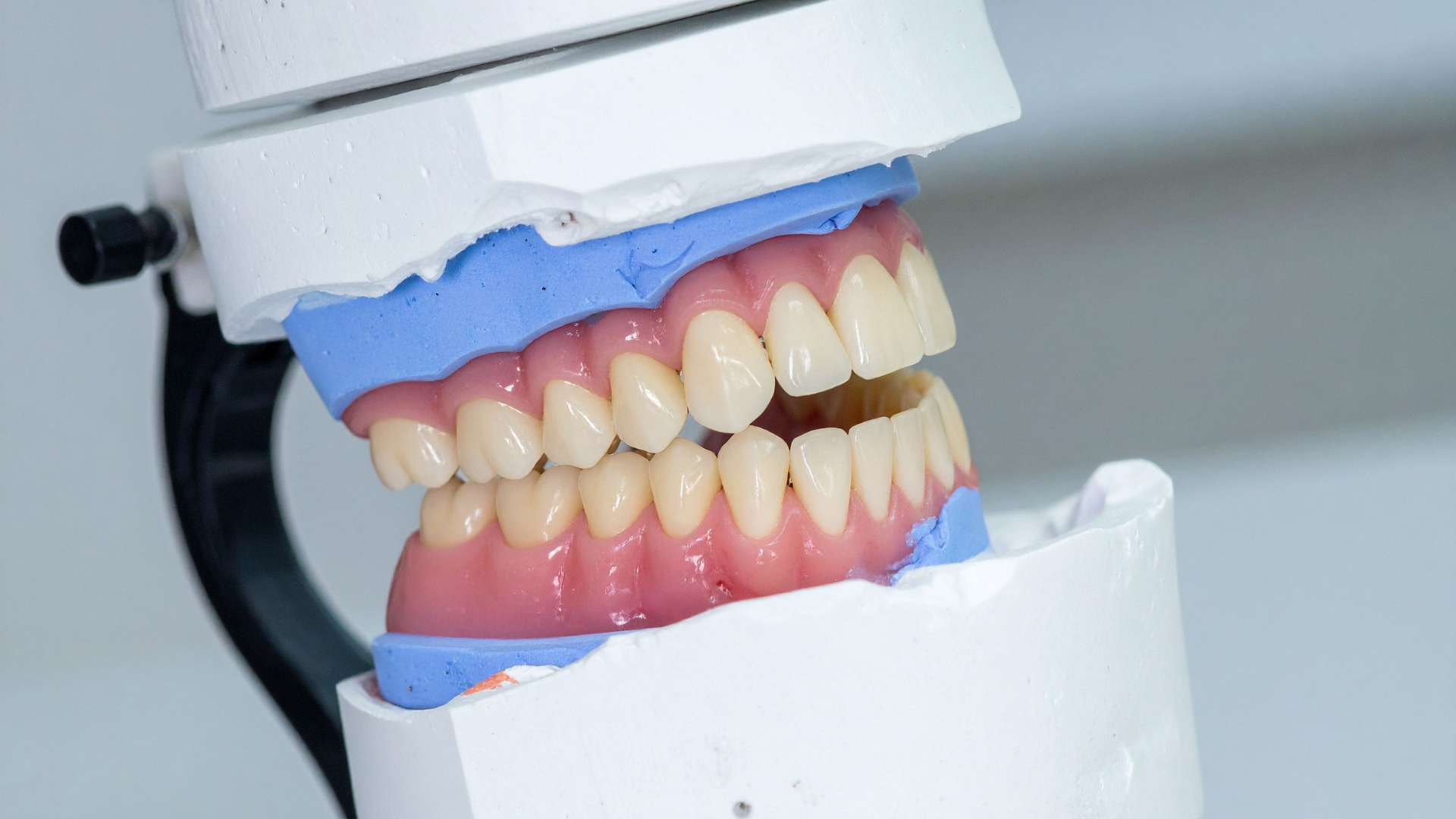
Conventional dentures are removable dental prostheses designed to replace a few missing teeth (partial dentures) or an entire arch (complete dentures). While they are affordable initially, they rest on the gums and rely on suction or adhesives to stay in place. Because they don’t connect to the underlying bone, dentures cannot stop jawbone deterioration or bone loss after tooth loss.
Dental Implants
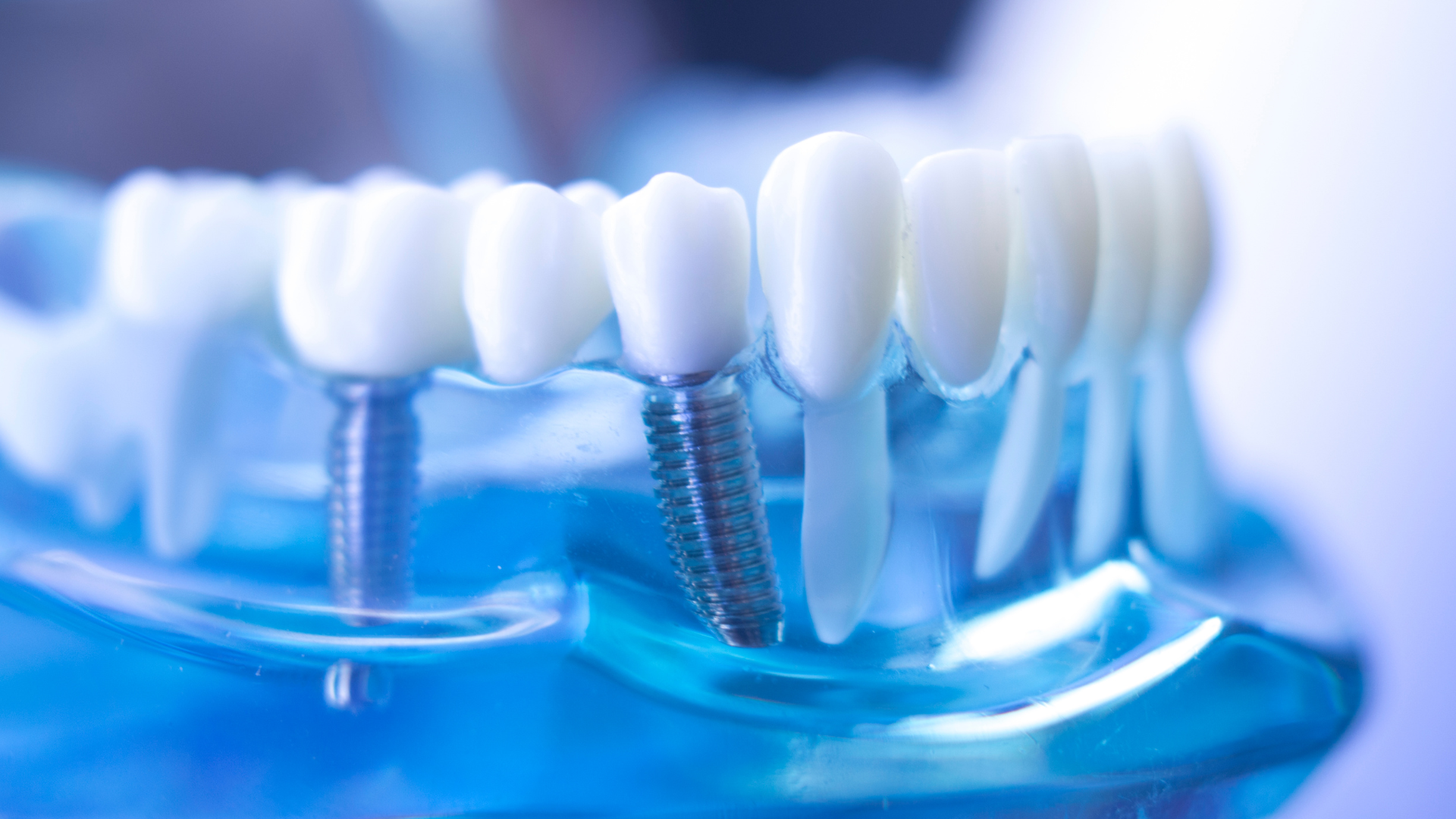
Dental implants are titanium posts that are surgically placed into the jaw, where they act as artificial roots for replacement teeth. During healing, dental implants fuse with the bone, creating a stable foundation that functions like natural teeth. This process, called osseointegration, is what preserves bone density, supports facial structure, and provides a more natural appearance and superior function.
Implants can support:
- Single replacement teeth
- A fixed bridge
- Implant supported dentures
- Full mouth implants for complete smile restoration
Because implants integrate with bone and surrounding teeth, they offer the closest experience to having real teeth again.
1. Long-Term Function: Stability You Can Rely On
One of the biggest advantages of dental implants is implant stability. Many patients with removable dentures struggle with slipping, clicking, and difficulty chewing. This happens because dentures sit on the gums without anchoring to the underlying bone.
On the other hand, dental implants act as permanent roots, allowing you to chew, smile, and speak confidently. They provide a stable and secure fit, which is especially beneficial when replacing one or more teeth or when patients choose permanent dentures supported by implants.
If your top concern is long-term function, implants are the superior option.
2. Oral Function: Eating and Speaking Comfortably
When comparing dental implants vs, dentures, it’s important to consider how each affects everyday oral function.
Dentures:
- Can shift while eating
- Make certain foods difficult to chew
- May reduce bite force
- Can affect speech clarity
- Often require adjustments as the jaw shrinks
Implants:
- Allow you to chew most foods comfortably
- Preserve natural bite strength
- Support normal speech patterns
- Do not move or loosen
- Provide a more natural chewing experience
Implants restore full oral function, allowing you to enjoy your favorite foods again.
3. Bone Preservation: Why It Matters for Long-Term Oral Health
When you lose teeth, the jawbone no longer receives stimulation from chewing. Without this stimulation, the bone begins to deteriorate, this is known as jawbone deterioration or bone loss.
Dentures do not stop bone loss because they sit on top of the gums and do not stimulate bone growth.
Dental implants, however:
- Preserve bone density
- Support natural bone growth
- Maintain facial muscles
- Prevent changes in facial structure
- Protect the jaw structure around remaining teeth
For patients with significant bone loss, implants can even prevent collapse of the lower facial appearance over time.
4. Comfort: Natural Feel vs. Removable Fit
Many patients eventually become frustrated with conventional dentures due to:
- Gum irritation
- Sore spots
- Needing adhesives
- Slipping while talking
- Limitations on food choices
Implants, however, feel secure, discreet, and comfortable because they function like natural roots. They eliminate the need for adhesives and reduce the discomfort associated with dentures rubbing against the gums.
For maximum comfort, options like fixed denture systems or snap-in dentures supported by implants offer the benefits of dentures with the stability of implants.
5. Appearance: A More Natural Looking Smile
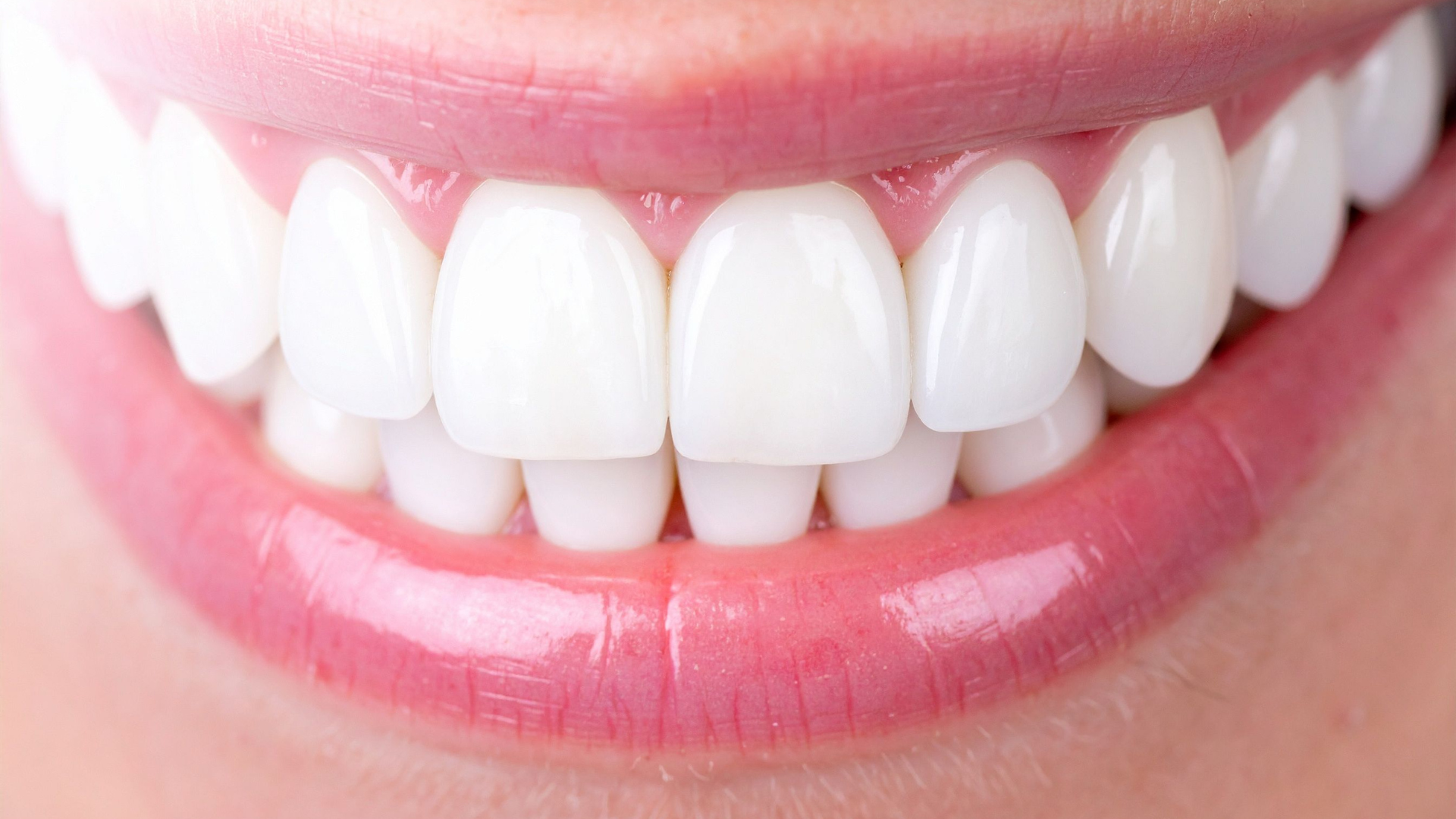
At Parkway Dental, we design both dentures and implants to give you a natural looking smile, but implants often look the most realistic because they emerge from the gums just like natural teeth.
Implants help maintain:
- Facial structure
- Proper lip support
- Jaw alignment
- Surrounding teeth stability
Many patients choose implants because they allow for a more natural appearance.
6. Maintenance & Longevity
Dentures require:
- Daily removal
- Soaking
- Frequent adjustments
- Replacement every 5–7 years
Dental implants require:
- Brushing and flossing like natural teeth
- Regular checkups
- Proper care to protect long-term function
Implants are a long term solution, often lasting decades, making them a more permanent option for most patients.
7. Cost Considerations
Dentures are often affordable initially, but over time, the cost of:
- Replacements
- Adhesives
- Relining
- Repairs
can add up.
Implants have a higher upfront cost but offer a long-term oral health investment. They protect bone, improve function, and reduce the need for future dental work.
Why Patients Choose Parkway Dental for Functional Dental Implants
At Parkway Dental, Dr. Song is highly trained in advanced implant surgery, the dental implant procedure, and full-mouth restoration. While many dental professionals refer implant cases out for oral surgery, we provide complete implant care right here in our office.
Our implant approach focuses on:
- Bone preservation
- Implant stability
- Long-term dental health
- Natural appearance
- A comfortable, confident smile
Whether you need to replace a few missing teeth, one or more teeth, or want a full complete smile transformation, we tailor your treatment plan to your anatomy, personal preferences, and functional goals.
Ready to Restore Your Smile?
If you’re deciding between dental implants vs dentures, we’re here to guide you. Contact our office to schedule a consultation with Dr. Song and explore the most advanced tooth replacement options for your long-term health and confidence.