
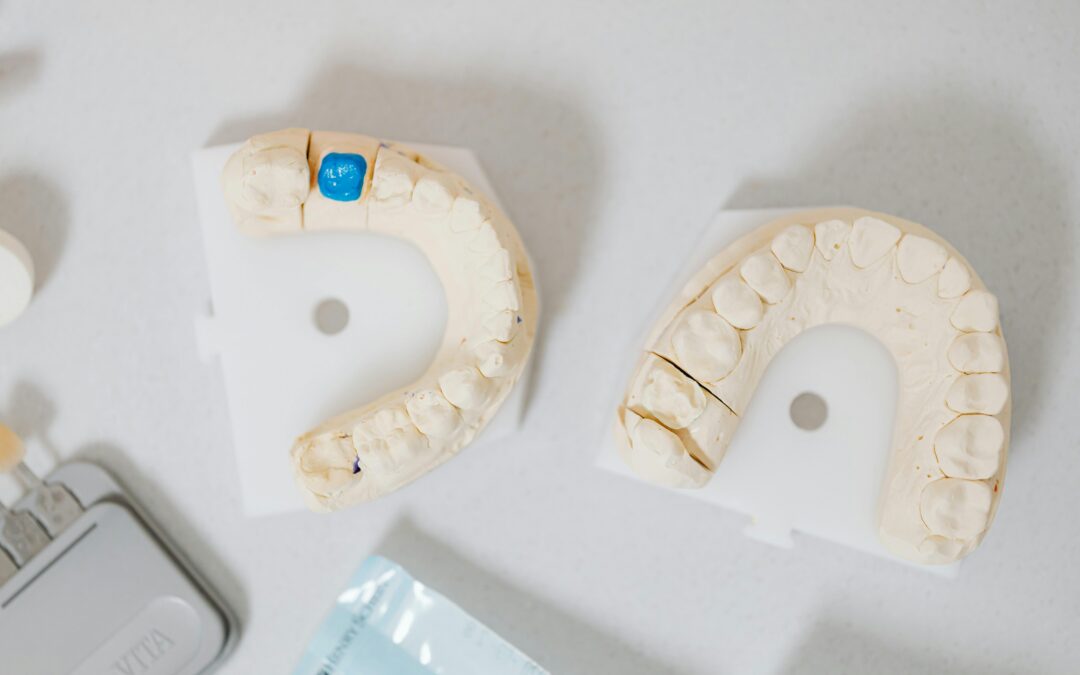
A toothache that won’t quit. A crack you can feel with your tongue. A filling that keeps falling out. These are not things to ignore. Your teeth give you signals when something is wrong, and a dental crown is often the solution that stops small problems from becoming big ones.
Understanding when a crown makes sense can save your natural tooth, your comfort, and your long-term oral health.
What Is A Dental Crown?
A dental crown is a tooth-shaped cap that fits over an existing tooth. It covers the entire tooth above the gumline and restores its shape, size, strength, and appearance. Crowns protect a damaged tooth from further damage and bring the tooth’s function back to normal.
Crowns come in several materials. Porcelain crowns offer a natural look that blends with surrounding teeth. Zirconia crowns are known for their durability and strength. Metal crowns are extremely strong and typically used on back teeth. Your dentist will recommend the right material based on the location and condition of your tooth.
Most crowns are placed over two visits. The first visit involves preparing the tooth and placing a temporary crown. The second visit involves cementing the permanent crown in place with strong dental cement.
Common Signs You May Need A Dental Crown
Not every tooth problem requires a crown. But several situations make a crown the most effective and lasting solution. Here are the most common signs to watch for.
Your Tooth Is Cracked Or Fractured
Cracked teeth are one of the most frequent reasons patients need a crown. Small cracks can seem minor at first. Over time, those minor cracks spread deeper into the tooth structure and cause serious damage.
A deep crack that reaches below the gumline often leads to tooth loss if left untreated. A crown holds the affected portion of the tooth together. It also helps eliminate discomfort caused by movement along the crack when you chew.
If your bite feels sharp or painful when eating hard foods, a crack may be the reason. Do not wait to have it checked.
You Have Extensive Decay That A Filling Cannot Fix
Fillings work well for small areas of decay. When decay covers a significant portion of the tooth, a filling cannot provide adequate protection. The tooth becomes structurally compromised, and a filling material alone will not hold.
A crown covers the entire tooth and gives a severely decayed tooth the reinforcement it needs. It also prevents further decay from developing underneath exposed tooth structure.
If your dentist tells you a large filling is not a simple repair, a crown is likely the better path forward.
You Had A Root Canal
Root canal treatment removes infected tissue from inside the tooth. The process saves the tooth, but it also leaves the tooth more brittle. A treated tooth without a crown is vulnerable to fracturing under normal wear and pressure.
Placing a crown after a root canal is standard practice. It protects the tooth and restores full function. Most crowns placed after root canal treatment last for many years with proper care.
Skipping the crown after a root canal puts the tooth at risk. The investment in treatment deserves the protection a crown provides.
You Have A Large Or Failing Filling
Large fillings weaken the surrounding tooth structure over time. When a filling covers too much of the tooth, the remaining walls become thin and brittle. Those walls can crack under pressure from chewing.
Old or failing fillings can also allow bacteria to seep underneath, leading to further decay. When a filling is too large to replace with another filling, a crown restores the tooth fully. It covers and protects the weakened tooth without removing more healthy tooth structure than necessary.
Your Tooth Is Worn Down
Teeth wear down from grinding, acid erosion, or years of normal wear. A tooth that has lost significant height or shape cannot chew properly. It may also affect your bite and cause discomfort in the jaw.
Crowns rebuild worn-down teeth and restore the proper bite relationship between upper and lower teeth. Patients who grind their teeth often need crowns after significant enamel loss. Wearing a night guard after crown placement helps protect the new crown from the same damage.
You Are Experiencing Persistent Pain Or Sensitivity
Sensitivity to cold temperatures or persistent pain when biting are signs that something is wrong inside or around the tooth. These symptoms can point to a deep crack, extensive decay, or a compromised tooth that needs more than a standard filling.
If over-the-counter solutions are not helping, the tooth may need a crown or additional dental work like a root canal before crown placement. A thorough exam helps identify what is causing the discomfort.
The Dental Crown Procedure: What To Expect
Understanding the process helps patients feel confident walking into the dentist’s office.
First Visit: Your dentist numbs the area and reshapes the tooth to create space for the crown. An impression of the tooth is taken and sent to a dental lab. A temporary crown protects the tooth while the final crown is being made.
Between Visits: The dental lab crafts your permanent crown to match the shape and color of your surrounding teeth. This process typically takes one to two weeks.
Second Visit: The temporary crown is removed and the permanent crown is checked for fit and bite. Once everything looks right, the new crown is bonded in place with strong dental cement. Your dentist checks the bite one more time to confirm everything feels natural.
Most patients leave the second visit with immediate improvement in how the tooth feels and functions.
What Happens If You Wait?
Delaying treatment on a compromised tooth rarely works in your favor. A small crack becomes a deep crack. A damaged tooth that could have been saved with a crown may eventually need a dental implant after tooth loss. Extensive decay spreads to adjacent teeth. What starts as a manageable situation becomes a more complex and costly one.
Acting early preserves more healthy tooth structure, keeps treatment simpler, and helps you avoid more involved dental work down the road.
When A Crown May Not Be The Right Answer
Not every tooth problem calls for a crown. Minor cracks without symptoms may only need monitoring. Small areas of decay are often treated with a standard filling. Your dentist will examine the tooth fully before recommending any treatment. The goal is always to find the most conservative option that still provides adequate protection.
If the tooth structure is too far gone to support a crown, your dentist may discuss extraction and a dental implant as the next best option for restoring your smile and bite.
Why Patients Choose Parkway Dental For Crowns
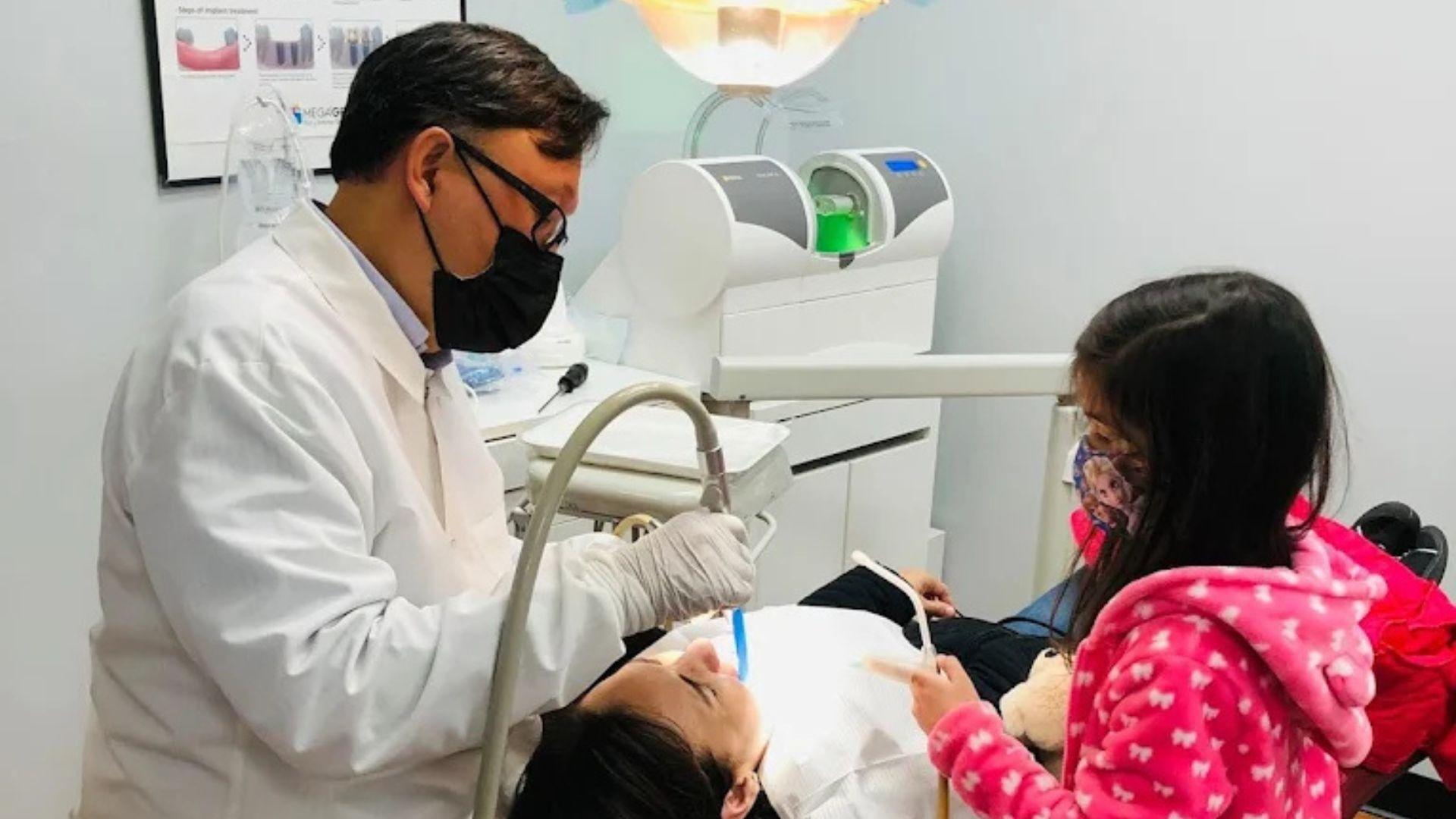
Our experienced team takes time to explain exactly what is happening with your tooth and why a particular treatment makes sense. We offer high quality dental care in a welcoming environment where patients feel informed and comfortable.
Porcelain and zirconia crowns placed at our office are designed for a natural look and long-lasting durability. We work with trusted dental labs to ensure your final crown fits well and blends beautifully with your smile.
Whether you are dealing with cracked teeth, extensive decay, or a tooth in need of protection after a root canal, we are here to help you find the right solution.
Ready To Protect Your Smile?
If any of these signs sound familiar, do not put off getting checked. Early treatment protects your natural tooth and keeps your oral health on track. Our team is ready to help you understand your options and take the next step toward restoring comfort and confidence in your smile.
Schedule online or call us today at (847) 259-5600. We look forward to helping you keep your smile strong and healthy for years to come.
Have questions before your visit? Check out our FAQs or learn more about our services at Parkway Dental.
